Healthcare Is a Human Right, Not a Privilege: The Inequality We Still Refuse to Address
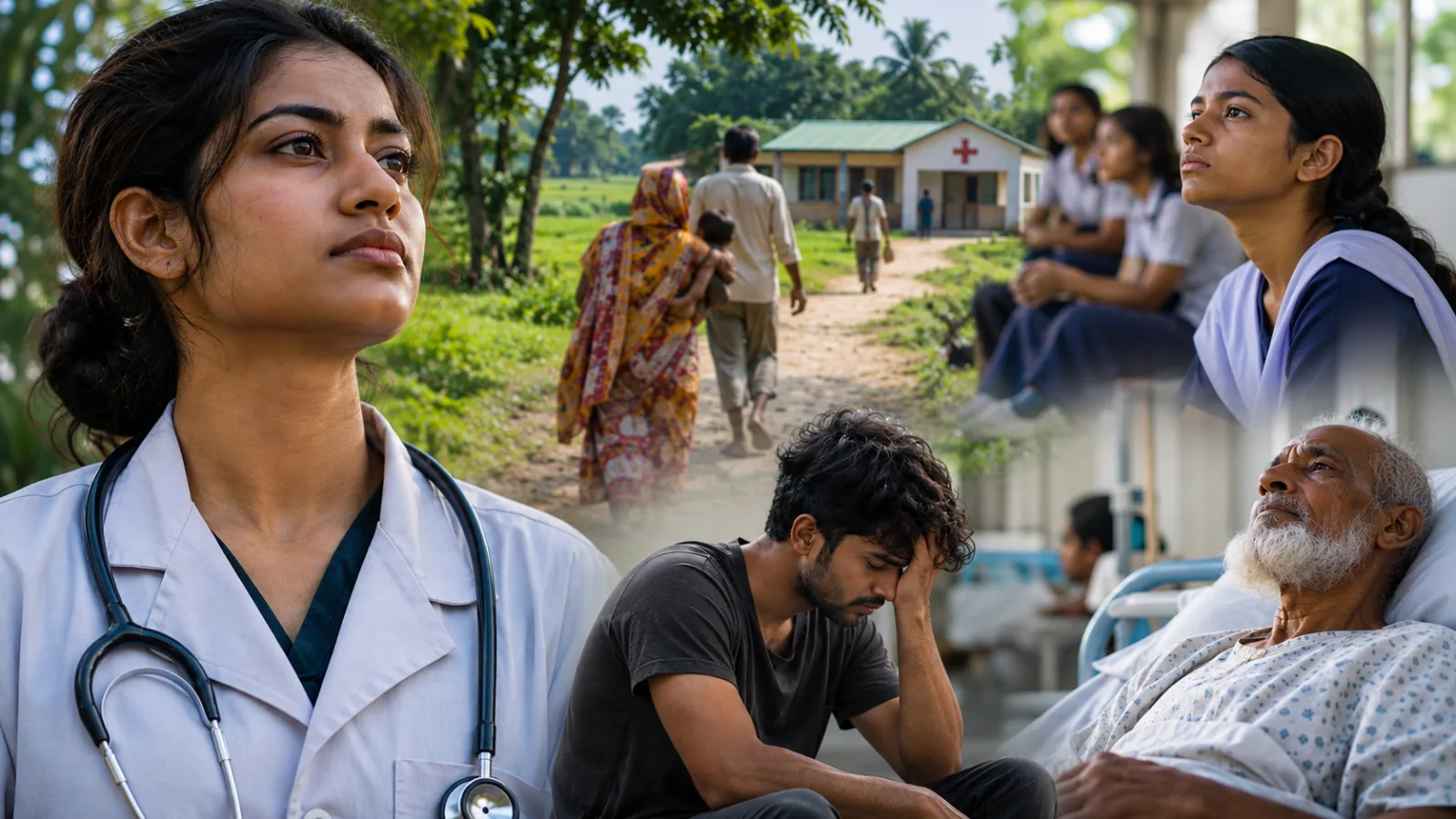
Healthcare is often discussed as a matter of hospitals, doctors, medicines and medical technology. But beyond these institutions lies a much bigger question: who actually gets access to healthcare, and who is left behind?
For millions of people, seeking medical attention is not a simple decision. It is a financial calculation, a journey across geographical barriers and, sometimes, a battle against social stigma.
We have made remarkable progress in medical science. Diseases that once threatened entire populations can now be prevented, diagnosed or treated. Yet, scientific progress means very little if its benefits remain inaccessible to those who need them most.
1. The Geography of Healthcare Inequality
Where someone is born should never determine how long or how well they live.
However, the gap between urban and rural healthcare remains a serious concern in many developing countries, including Bangladesh. While major cities have specialised hospitals, diagnostic facilities and experienced medical professionals, people in remote communities often struggle to access even basic healthcare services.
For a rural family, a medical emergency can mean travelling several hours, arranging money for transportation and facing additional expenses before treatment even begins.
Healthcare infrastructure must therefore extend beyond major cities. Community clinics, trained healthcare workers, affordable diagnostic services and reliable referral systems should be fundamental priorities.
2. Menstrual Health Is Not a Private Problem
One of the most overlooked aspects of public health is menstrual health.
For generations, menstruation has been surrounded by silence, misinformation and unnecessary shame. In many communities, girls grow up without adequate knowledge of their own bodies. Conversations about menstrual hygiene are often avoided, while access to affordable menstrual products remains unequal.
This is not simply a matter of hygiene. It is an issue of education, dignity, gender equality and public health.
Schools should provide accurate menstrual health education, ensure access to clean sanitation facilities and create environments where students can discuss menstruation without embarrassment.
A biological process should never become a reason for exclusion, discrimination or interrupted education.
3. Mental Health Deserves the Same Attention
Physical health is visible. Mental health, often, is not.
Despite growing awareness, mental health difficulties are still misunderstood in many societies. People experiencing emotional distress may face judgement instead of support. Young people, in particular, can struggle to find accessible and affordable professional services.
We must stop treating mental health as less important than physical health.
Schools, universities and workplaces should promote psychological well-being, provide access to qualified professionals and create supportive environments where seeking help is considered a responsible decision rather than a weakness.
4. Prevention Should Be a Public Health Priority
Healthcare systems often focus heavily on treating diseases after they develop. But prevention deserves equal attention.
Public awareness about nutrition, vaccination, sanitation, reproductive health and early disease detection can reduce preventable illness and improve quality of life.
Health education should not remain confined to medical institutions. It must reach classrooms, rural communities, workplaces and households.
People cannot make informed health decisions if they are denied reliable information.
5. Women’s Healthcare Needs More Than Occasional Attention
Women's health concerns are frequently dismissed, normalised or diagnosed late.
Menstrual disorders, reproductive health complications, pregnancy-related risks and conditions such as endometriosis and polycystic ovary syndrome (PCOS) deserve serious medical attention.
Too often, women are expected to tolerate discomfort without receiving proper explanations or treatment. This attitude must change.
Medical research, healthcare policies and clinical services should recognise women's health needs throughout different stages of life.
Healthcare professionals must listen to patients, investigate persistent symptoms and ensure that women receive evidence-based care.
Beyond Medical Facilities: Building a Healthier Society
A strong healthcare system is not defined only by the number of hospitals it operates. It is defined by whether people can access timely, affordable and quality treatment without discrimination.
Governments must invest in primary healthcare, strengthen public health education, support medical research and address the economic and geographical barriers that prevent people from receiving treatment.
International cooperation is equally important because public health challenges do not recognize national borders.
Ultimately, healthcare should never depend on someone's income, gender, geographical location or social background.
We cannot call a society truly developed when a person must choose between financial survival and medical treatment.
The right to health is not a reward for privilege. It is a fundamental human right.
And perhaps the real measure of progress is not how advanced our medical technology becomes, but how many lives we refuse to leave behind.
Written by
Shreya Ghosh
Shreya Ghosh reports for News Trial, covering the stories that matter with fast, fair and factual journalism. The world, in seconds.